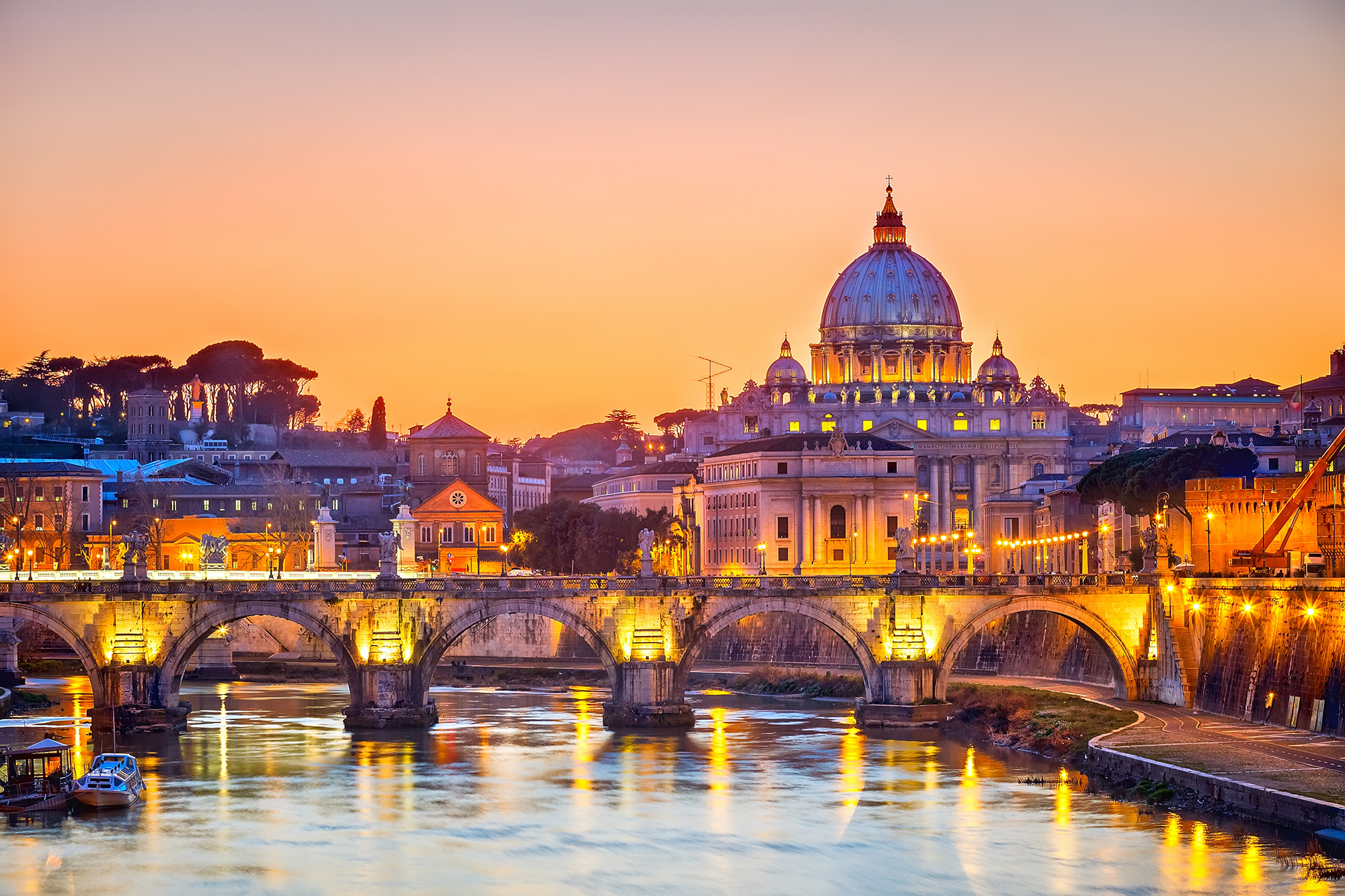
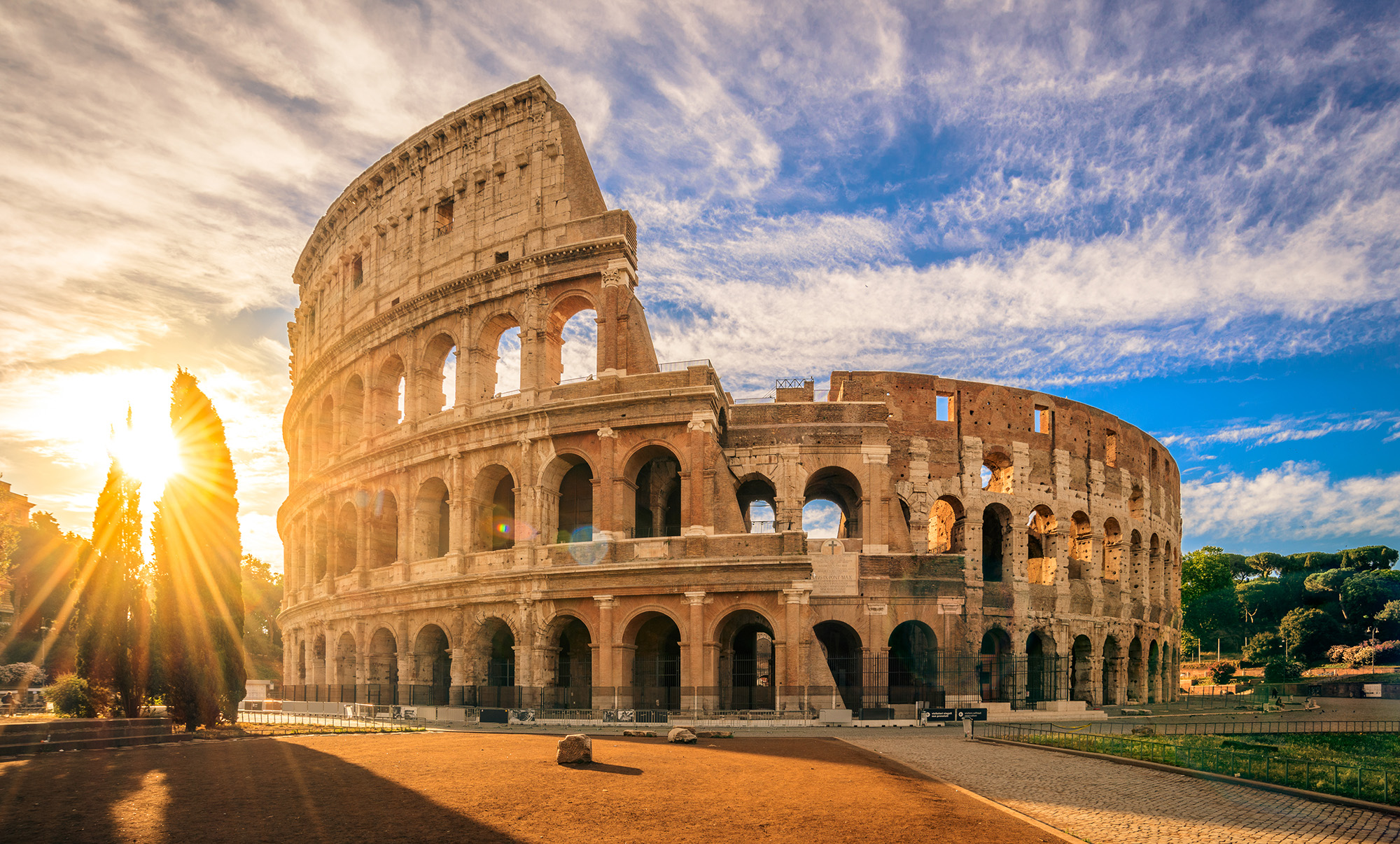
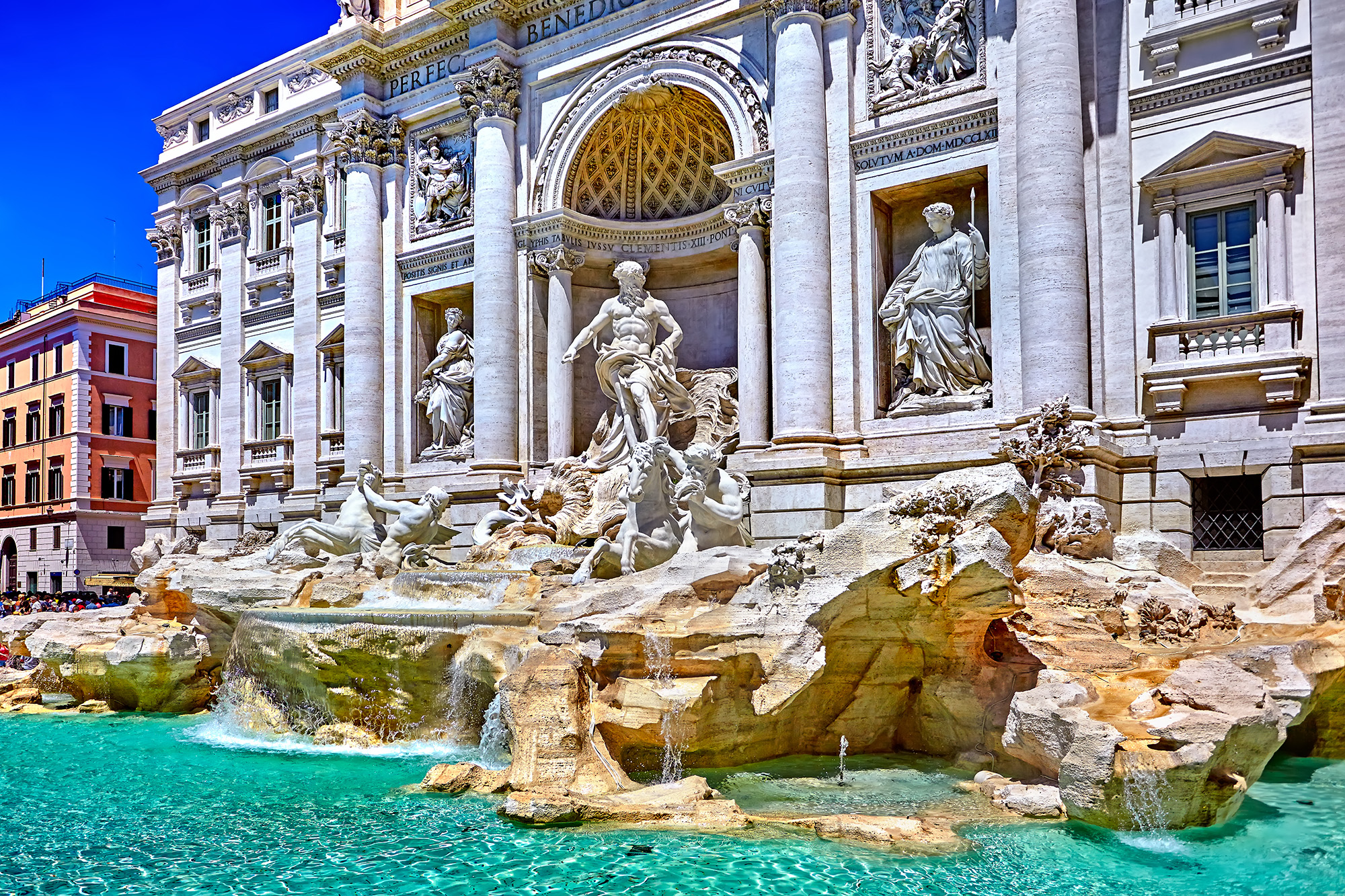
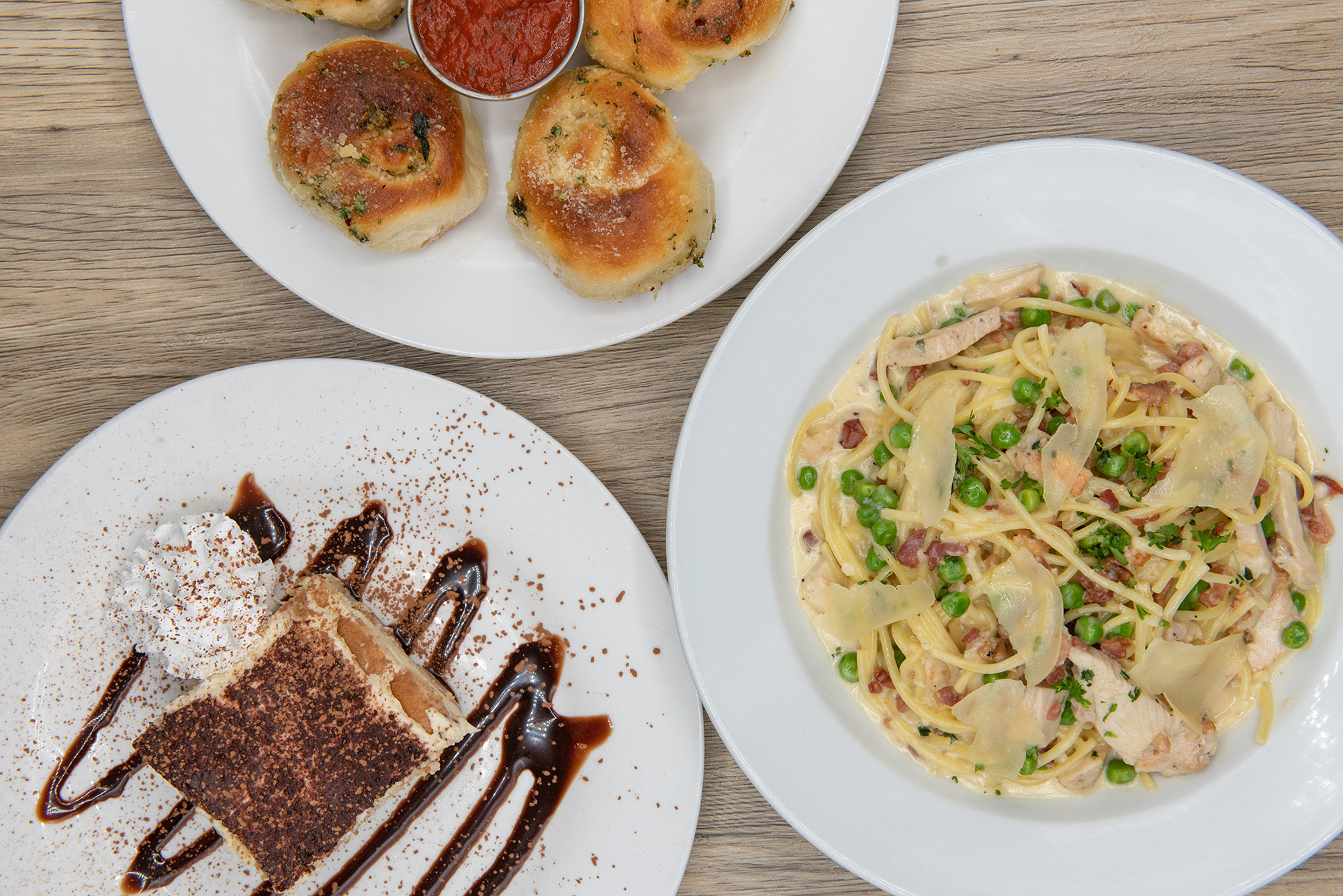
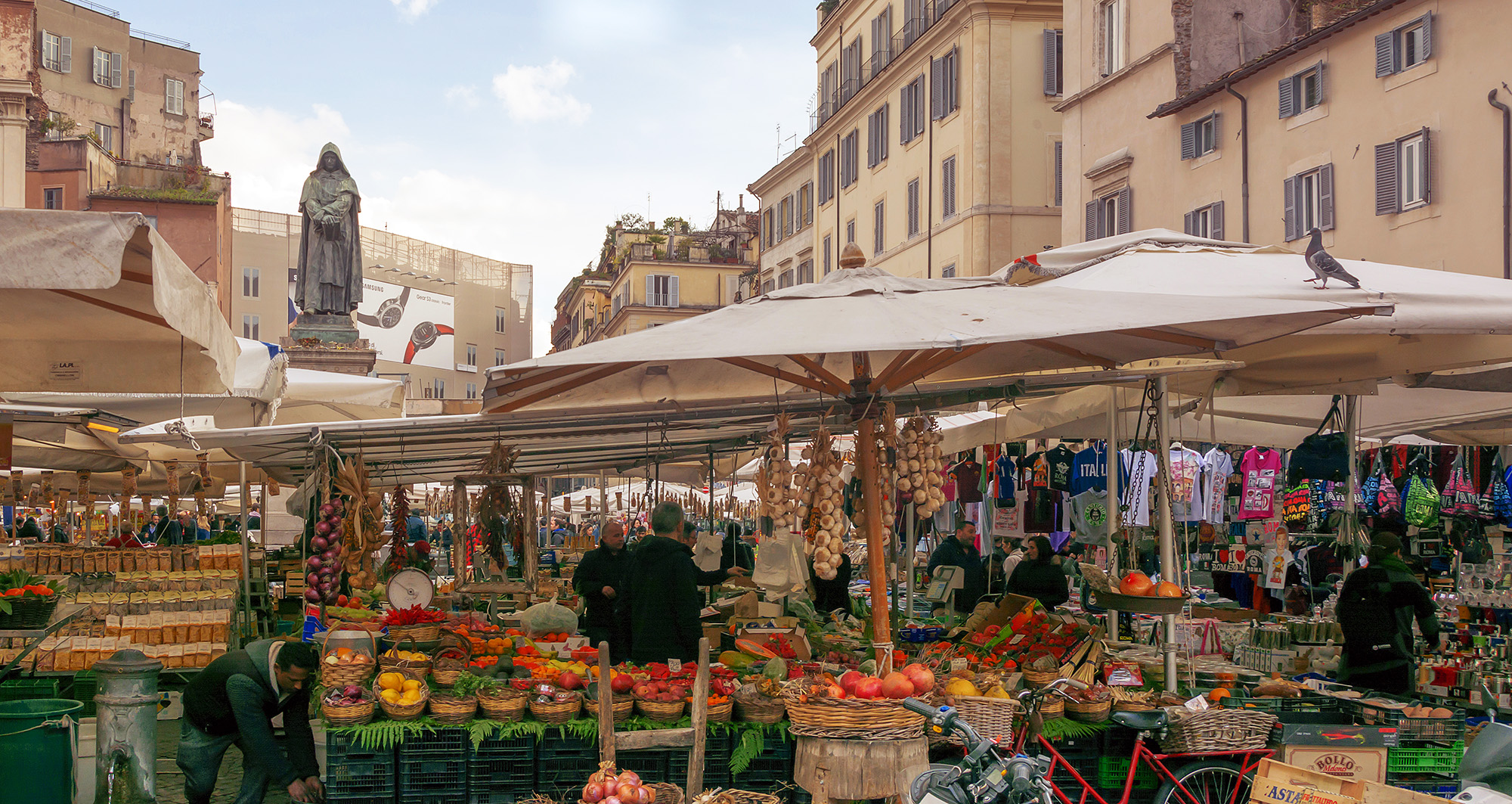
Rome offers more than 2,000 years of history in one walkable city—from the Colosseum and Roman Forum to the Pantheon, which has stood intact since AD 126. Visitors can explore Vatican City, home to St. Peter's Basilica and the Sistine Chapel, and see world-class art and architecture at nearly every turn. Beyond its landmarks, Rome is known for distinct neighborhoods, lively piazzas, and a food culture built on simple, regional staples like cacio e pepe and supplì. It's a destination where major historical sites and everyday Italian life exist side by side.
To help you make the most of your time, we've outlined a few simple options depending on your schedule.
If You Have Limited Time
If your schedule is tight, it's best to focus on one or two key experiences rather than trying to see everything. A few practical options:
2-3 hours: Visit the Colosseum and Roman Forum area
Half day: Explore the historic centre, including the Pantheon, Piazza Navona, and Trevi Fountain, combined with a relaxed lunch
Evening: Head into the city centre for a walk followed by dinner — Rome is particularly enjoyable after sunset
Food & Drink
Rome offers everything from traditional trattorias to wine bars and informal dining. Below is a small selection of reliable options.
Restaurants (Roman cuisine)
Armando al Pantheon: A long-established Roman trattoria just steps from the Pantheon, known for its traditional dishes and consistent quality. Small and very popular — advance booking is essential.
Cantina e Cucina: Central, lively, and reliable, with all the classic Roman dishes.
Tonnarello (located in Trastevere): Popular and efficient — a good option for groups.
Roscioli: A more refined option combining restaurant, deli, and strong wine selection.
Enoteche (Wine Bars)
L'Angolo Divino: A well-regarded enoteca near Campo de' Fiori, known for its strong wine selection and knowledgeable staff. Best for wine with light food rather than a full dinner.
Antica Enoteca: a Classic and central, with a large wine selection and easy access.
Il Vinaietto: Small and informal, with a more local feel — ideal for a quick glass.
Practical Tips
Booking is recommended for dinner, especially in central areas.
Meals are typically slower-paced than in many other countries.
Dinner usually starts from around 20:00 onwards.
What to Avoid
While Rome offers many excellent dining options, some places in heavily touristic areas may not reflect authentic local cuisine. A few simple guidelines:
Be cautious of places with staff actively inviting you inside from the street, especially in areas near the Vatican, Colosseum, and major landmarks.
Restaurants with photos of dishes on menus, or menus with hundreds of options, are often less focused on quality.
Check pricing carefully — some venues in prime tourist areas may charge significantly higher prices without corresponding quality.
In general, a shorter, more focused menu and a more discreet entrance are often good indicators of a better-quality establishment.
Connecting passionate professionals who are driving change
Session Topics
This year at the E-ATP Conference, topics will include: AI in Assessment; Assessment Security & Integrity; and Prioritising the Test Taker Experience. Register today to meet thought leaders from Europe and around the world to connect, share stories, and learn from each other.
About the Venue
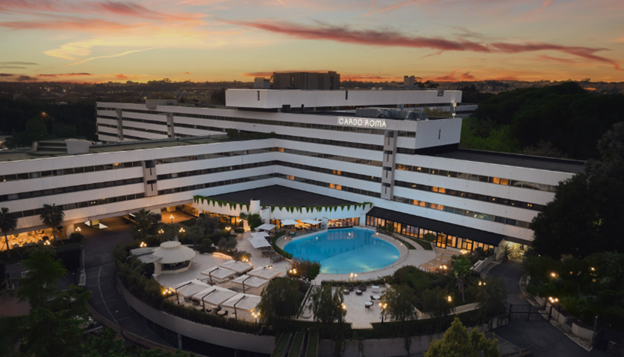
Cardo Roma Hotel is a modern, upscale lifestyle hotel in Rome blending tradition with contemporary design, featuring a spa, pool, fitness center, and Italian dining. It also offers amenities like a shuttle to the city center and spacious rooms with modern comforts. It's known for its blend of relaxation and functionality, with features like circadian rhythm-inspired design and a focus on Italian hospitality.